Hi friends!
This Saturday we will be having our sharing session again. The topic will be
Walking with Buddha: Childhood Memories!
Our guest speaker is the funny Woo Jianyong and our youth religious advisor, Venerable Bodhi will grace the event as well.
So do come down at 3pm, Singapore Buddhist Mission, 9 Ruby Lane.
Cheers!
Tuesday, March 31, 2009

Sunday, March 29, 2009
Words of the Buddha

149.For the mindful one there's always good'
for the mindful one happiness grows,
for the mindful one things smoothly go,
although enmity may remain.
150.But one who both day and night
takes delight in harmlessness,
sharing love with all that lives,
that one has enmity with none.
153. Develop a mind that’s full of love,
be compassionate and restrained in virtue,
arouse your energy and your strength,
be always firm in making progress.
154. Just as a loving mother would guard
her only dearly beloved child,
so towards creatures everywhere
one should always wish their good.
165. Whoever boundless makes their love,
and sets their heart upon the goal
of seeing the end of birth and death,
all their fetters are worn thin.
156.Just as water freely cools
all different types, the good and bad,
and washer away all dirt and dust;
157. Like this you should develop thoughts
of love to friend and foe alike,
and having reached fullness in love,
you will attain enlightenment.
164. Therefore, the meditation on love
should be done for self and others too,
everyone should be suffused with love.
This is the teachings of the Buddha.
149,S.I,208.150,S.I,208.153,Tha.979.165,It.21.156, Jn.168.157, Ja.169.164,Mil.394.
Wednesday, March 25, 2009
Happy Birthday Four-Bear!!!
Dearest Bro Four Bear!!!
Happy 24th Bday!! Gives us joy to see you grow through the years!
From playful 12 year old boy
 To always acting cool look.
These are Four - Bears birthday clips for you to enjoy!!! Stay cheerful and healthy. We'll always be here to grow old with you.
Sunday, March 22, 2009
A Buddhist prayer?
Buddhists, especially young practitioners, are often confused when it comes to the term, 'Buddhist prayers', especially when Buddhism, is atheist-friendly. In what sense can there be a 'prayer' in the god-less philosophy of Buddhism, when the Buddha has expounded on occasions, the futility of prayers?
Often after the end of a Buddhist activity, practitioners are highly encouraged to make aspirations, whether is it personal goals or more altruistic motivations for the well-being of others. For the youths in the group, I've always encouraged them to make an aspiration to work hard and achieve good results, and also to build trusting and loving relationships with their family and friends.
I think Venerable S. Dhammika has explained it very well in his recent article, differentiating aspiration, or affirmation in this case, from prayers.
Affirmation (adhinnana or dhiti) does, however, have a significance in Buddhism. An affirmation is a strong resolve, avowal or determination to do or to achieve something. When we make an affirmation it clarifies and bring to the forefront of consciousness the goal we desire, it marshals and intensifies all the power of the mind and it focuses that power on the goal. An affirmation can make one ‘resolute for the highest goal, firm-minded…steadfast and endowed with strength and energy’ (Sn.68). When prayers work, as they sometimes seem to, it is actually due to the power of the mind, not the intervention of a deity.
Affirmation had a part to play in the Buddha attaining enlightenment. He declared, ‘Gladly will I let only my skin, sinews and bones remain after my flesh and blood had dried up, but my resolution shall not falter until I have attained what can be attained by human power, human strength, human persistence’ (A.I,50). These words aroused and focused the energy, the confidence and the courage he needed for his final push to attain Nirvana. The Buddha also mentioned that a strong affirmation can have a role to play in mental purification. He said that effective way to efface negative mental states was to make the affirmation not to give into them. ‘Effacement can be done by thinking like this …“Others may be contemptuous, we will not be contemptuous. Others may be domineering, we will not be domineering. Others may be envious, we will not be envious” ’ (M.I,42-3).
Often after the end of a Buddhist activity, practitioners are highly encouraged to make aspirations, whether is it personal goals or more altruistic motivations for the well-being of others. For the youths in the group, I've always encouraged them to make an aspiration to work hard and achieve good results, and also to build trusting and loving relationships with their family and friends.
I think Venerable S. Dhammika has explained it very well in his recent article, differentiating aspiration, or affirmation in this case, from prayers.
Affirmation And Prayer
A prayer (avhayana or pathana) is a collection of words addressed to God or to gods. Normally there are two types of prayers – (1) requests for help and (2) praise of the deity, both of these mentioned in the passage from the Tipitaka, ‘to beseech, praise and worship with joined hands’ (ayacanti thomayanti panjalika nemassanama, D.I,240). Such prayers can be either silent or vocalized, done individually or in a group. The Vedas, the sacred scriptures of Brahmanism, contain hundreds of prayers to various gods. Being a god-free philosophy Buddhism does not consider prayer to have a role to play in the spiritual life and the Buddha denied that prayer works. The things that people long for most – happiness, long life, rebirth in heaven, etc – cannot, he said, ‘be acquired by vows and prayers’ (na ayacanahetu va na patthanahetu, A.II,47).Affirmation (adhinnana or dhiti) does, however, have a significance in Buddhism. An affirmation is a strong resolve, avowal or determination to do or to achieve something. When we make an affirmation it clarifies and bring to the forefront of consciousness the goal we desire, it marshals and intensifies all the power of the mind and it focuses that power on the goal. An affirmation can make one ‘resolute for the highest goal, firm-minded…steadfast and endowed with strength and energy’ (Sn.68). When prayers work, as they sometimes seem to, it is actually due to the power of the mind, not the intervention of a deity.
Affirmation had a part to play in the Buddha attaining enlightenment. He declared, ‘Gladly will I let only my skin, sinews and bones remain after my flesh and blood had dried up, but my resolution shall not falter until I have attained what can be attained by human power, human strength, human persistence’ (A.I,50). These words aroused and focused the energy, the confidence and the courage he needed for his final push to attain Nirvana. The Buddha also mentioned that a strong affirmation can have a role to play in mental purification. He said that effective way to efface negative mental states was to make the affirmation not to give into them. ‘Effacement can be done by thinking like this …“Others may be contemptuous, we will not be contemptuous. Others may be domineering, we will not be domineering. Others may be envious, we will not be envious” ’ (M.I,42-3).
Happy Birthday

HAPPY BIRTHDAY to RAYMOND!
May all your endeavours be fruitful and may you and your loved ones be well and happy!
Adam Sandler sings a non-conventional and wierd Birthday song, meant for laughs!
Lastly, may you be a 'hungry ghost' no more.
Friday, March 20, 2009
Forgotten Lotus
Distant dreams of a university
 Written by Xue Jianyue 12/03/2009
Dedicated to Liew Shi Xiong
I opened my eyes slowly
Dusting off a layer of ash
Looking around fearfully
At the deserted compound
A deep relief calmed me
The riders are not back
The sounds of hooves
Are still quite far away
Wiping off cold sweat
I stood up in pain
Upon my aching feet
To continue my search
Further and further
I strained my eyes
Across the smoking cinder
Remains of my campus
Red from blood of the slain
Do not scare me anymore
Smoke from the cruel flames
Cannot cloud whatever I saw
Finally I spotted a treasure
With delight and excitement
I kneeled down upon stone
To pick up a charred scroll
With the utmost care
I examined the remains of it
Before folding it in two
And keeping it in my pouch
Together with all
I could salvage these days
Might seeds of knowledge
Take root again someday?
With mixture of bitterness
And sadness in my heart
A day will come, I hope
When my deeds bear fruit
Bidding farewell to the dead lotus
I decide to trek up north
To the mountains of ice
Where the riders never go

A few of us from SBM Youth have had the good fortune to be sponsored by Kong Meng San to go on a Buddhis pilgrimage back in 2007 and I must say it was a wonderful experience. It was almost as if I've been there before. The place gives off a very good vibe, especially when you know that you are stepping on the very grounds where famous Buddhist saints and scholars like Nagarjuna and Xuan Zang once lived. There were plenty of huge halls with decapitated Buddha statues and you could almost imagine the magnificience of it in its hay days. The entire area is huge but as of now, archaeologists have only managed to uncover 1/5 of the university, but 1/5 of it is already bigger than the entire size of NTU!
 The good Venerable Guan Sheng, who sponsored our trip.
Nalanda was a giver of sacred knowledge, not just in Buddhist philosophy, but in math, science and languages. It was also truly an international university where students from across the Asian continent and even from ancient Greece studied there. The famous Tang Dynasty monk, Xuan Zhang spent decades in Nalanda, eventually even taking up the role of a lecturer there. Yet despite its age, Nalanda has its face of modernity. It has hostels and lecture halls and a proper drainage system. Imagine an university about 5 times the size of NTU and that's Nalanda for you. Sadly, many of its knowledge were lost, as libraries were burnt, scholar monks forced to bury the entire university under piles of mud, until they become hills and then these very scholar monks were buried alive.
 Hostel rooms in Nalanda. Can you identify the beds?
With the recent initiative to rebuild Nalanda University, I look forward to a revival of its past glories and a strengthening of knowledge and wisdom in Asia, as India and China grow to become leaders of a new world. 'Nalan' as 'lotus' or 'wisdom', and 'da' as to give. May the new Nalanda University see daylight and take on the good role of a 'giver of knowledge'. May it also continue to be a good embodiment of Buddhist philosophy, where love, wisdom and compassion shall form its very foundations in a world that has gone mad.
 Singaporeans at Nalanda.
Thursday, March 19, 2009

Monday, March 16, 2009
Humour
Humour by Venerable S.Dhammika
Humor (parihasa) is the characteristic of something that evokes laughter. Having a sense of humor is the ability to see the funny side of things or the knack of being able to make other laugh. The Buddha had a poor opinion of the humor of his time, probably because most of it was rather course – slapstick, ribaldry or based on sexual innuendos. He also must have noticed, as many have since, that a lot of humor is derived from making fun of and ridiculing others and thus contains an element of cruelty. Ancient Indian actors (nata) and comedians (hasaka) believed that because they ‘use both truth and falsehood to entertain and amuse the crowd’ that they would be reborn in the heaven of the laughing gods. The Buddha had a different idea. He said that they would be more likely to be reborn in the purgatory of laughter (S.IV,306). Such was his belief in the importance of speaking the truth that he told his son Rahula, ‘Do not lie, not even in jest’ (M.I,415). This same idea is referred to several times in the Jataka (e.g. Ja.I,439; V,481).
Nonetheless, the Buddha seems to have approved of humor that would raise a smile or lighten the mood because the Tipitaka contains many examples of his urbane, subtle humor. His discourses are full of puns (silesa), a pun being the use of a word that has two different meanings or two words that sound the same, for humorous effect. For example, brahmans were also known as ‘reciters’ (ajjhayaka) because they chanted the Vedas. The Buddha joked that they were really called this because they couldn’t meditate (ajhayaka, D.III,94).
Another way of evoking humor is by juxtaposing two connected but incongruous things, something the Buddha often did this in his similes:
Having good intentions but wrong practice, he said, will no more leads to Nirvana than pulling a cow’s horn will give milk (M.III,141). He said that a fool does not benefits from his association with a wise person any more than a spoon tastes the soup (Dhp.64).
Occasionally the Buddha used parody (parihapajja) to critique certain persons or ideas, particularly the pretensions of the brahmans. Once an arrogant young brahman insisted to him that brahmans are superior to other castes because ‘they are borne from the mouth of Brahma,’ an idea found in the Vedas. The Buddha quipped, ‘But surely brahmans are born from the womb of their mothers’ like everyone else’ (M.II,148). In the Digha Nikaya he gently parodied the idea of a supreme god in a way that can still raise a chuckle in the modern reader (D.I,17-18; 220-222).
Laughter is sometimes called ‘the best medicine’ and the Buddha would have agreed that humor can sometimes have a therapeutic value. On those occasions where a particular way of thinking has made a problem look unsolvable or a burden appear unbearable, making a joke of the situation can sometimes open up a different way of looking at it and suggest a solution. Humor can also trigger a catharsis, a therapeutic release from anxiety, tension or fear or lift one out of depression. The Buddha occasionally used it to this end.
On one occasion, King Ajatasattu went to visit the Buddha and asked him if he could tell him one advantage of the monk’s life that could be seen in the present life. The king had only recently murdered his father and was starting to feel increasingly regretful and uneasy. The Buddha asked the king what he would do if one of his slaves ran away and became a monk and he later came to know where he was staying. Would he, the Buddha inquired, have the monk arrested and returned to slavery? ‘No’, answered the king. ‘On the contrary, I would stand up for him, bow to him and offer him alms.’ The Buddha replied, ‘Well there you are. There is one of the advantages of the monk’s life that could be seen in this life’ (paraphrase of D.I,51-61). This expectedly whimsical answer to a serious question must have at first surprised the king, but then made him either smile or laugh. Having lightened the king’s mood and put him at his ease, the Buddha then proceeded to answer his question more seriously.
SBM Youth Blog Editor: The last story sounds like the way Ajahn Brahm talks ya? Haha laugh you way with the Buddha-Dhamma!
On one occasion, King Ajatasattu went to visit the Buddha and asked him if he could tell him one advantage of the monk’s life that could be seen in the present life. The king had only recently murdered his father and was starting to feel increasingly regretful and uneasy. The Buddha asked the king what he would do if one of his slaves ran away and became a monk and he later came to know where he was staying. Would he, the Buddha inquired, have the monk arrested and returned to slavery? ‘No’, answered the king. ‘On the contrary, I would stand up for him, bow to him and offer him alms.’ The Buddha replied, ‘Well there you are. There is one of the advantages of the monk’s life that could be seen in this life’ (paraphrase of D.I,51-61). This expectedly whimsical answer to a serious question must have at first surprised the king, but then made him either smile or laugh. Having lightened the king’s mood and put him at his ease, the Buddha then proceeded to answer his question more seriously.
SBM Youth Blog Editor: The last story sounds like the way Ajahn Brahm talks ya? Haha laugh you way with the Buddha-Dhamma!
Friday, March 13, 2009
Two Bad Bricks
Here's an abstract of one of the short stories from "Opening The Door of Your Heart" by Ajahn Brahm. Shi Xiong brought this book for me way back, when i first attend an Ajahn Brahm talk.
It's about Ajahn Brahm's days when he was building his monastery back in 1983. Ajahn Brahm and his fellowmonks were poor monks that needed buildings, and they couldn't afford to hire builders, so they had to learn how to build.
The following story is about Ajahan Brahm constructing a brick wall:
"Being a monk, i had patience and as much time as i needed. I make sure every single brick was perfect, no matter how long it took. Eventually, i completed my first brick wall and stood back to admire it.It was only then that i noticed --OH NO!-- I'd missed two bricks. All the other bricks were nicely in line, but these two were inclined at an angle. They look terrible.they spoiled the whole wall. They ruined it.
By then, the cement mortar was too hard for the bricks to be taken out, so i asked the abbot if i could knock down the wall down and start over again, or even better, blow it up. I'd made a mess out of it, and i was very embarrassed. The abbot said no, the wall had to stay.
When i first showed our first visitors around our fledgling monastery, i always tried to avoid taking them past my brick wall. i hated anyone seeing it. Then one day, some three or four months after i finished it, i was walking with a visitor and he saw the wall.
"That's a nice wall" he casually remarked.
"Sir," i replied in surprise, " have you left your glasses in your car? Are you visually impaired? can't you see those two bad bricks which spoiled the whole wall?"
What he said next changed my whole view of that wall, of myself and of many other aspects of life.
He said. "Yes, I can see those two bad bricks. But i can also see the 998 good bricks as well."
I was stunned. For the first time in over three months, i could see other bricks in that wall apart from the two mistakes. Above, and below, to the left and to the right of the bad bricks were good bricks,perfect bricks. Moreover, the perfect bricks were many, many more than the two bad bricks.
Before, my eyes would focus exclusively on my two mistakes; i was blind to everything else.That was why i couldn't bear looking at the wall, or having others see it.
That was why i wanted to destroy it. Now that i could see the good bricks, the wall didn't look so bad after all. It was, as the visitor had said, "a nice brick wall"
How many people end a relationship or get divorced because all they can see in their partners are "two bad bricks"? How much of us become depressed or even contemplate suicide, because all we can see in ourselves are "two bad bricks".
In truth, there are many many more good bricks, perfect bricks, above below, to the left and right of the faults--but at times we just can't see them. Instead, every time we look, our eyes focus exclusively on the mistakes. The mistakes are all we see, and they're all we think are there, so we want to destroy them. And sometimes,sadly,we do destroy a "very nice wall"
We've all got our two bad bricks, but the perfect bricks in each one of us are much much more than the mistakes.Once we see this, things aren't so bad. Not only can we live at peace with ourselve, inclusive of our faults, but we can also enjoy living with a partner. This is bad news for divorce lawyers, but good news for you."
Made a lot of sense to me, hope it does for everyone out there. Anyone interested to read the book, do feel free to come find me!
[provided if you can guess who am i]
Wednesday, March 11, 2009
Hi Boys and Girls!
This weekend is the start of school holidays. Do join us this Saturday at 3pm for the first series of our sharing sessions:
Guest speakers are our Dhamma IC Jianyong and President Zeming, and also our invited guest, Venerable Bodhi will also be don.
Come on down to SBM, 9 Ruby Lane this Saturdau. See you and don't be late!
Sadhu!
This weekend is the start of school holidays. Do join us this Saturday at 3pm for the first series of our sharing sessions:
"Walking with Buddha: Birth of a Great Leader".
Guest speakers are our Dhamma IC Jianyong and President Zeming, and also our invited guest, Venerable Bodhi will also be don.
Come on down to SBM, 9 Ruby Lane this Saturdau. See you and don't be late!
Sadhu!
Tuesday, March 10, 2009
Monday, March 9, 2009

Peranakan Museum
We visited the Peranakan Museum for Serenity in Stone exhibition last week!
Read venerable S. Dhammika's account of his visit :)
In 1996, the Chinese made one of the most important archeological discoveries in the history of their country. While a school sports field was being excavated some 400 stature of Buddhas and bodhisattvas came to light. A find of so many statures was rare enough but these ones were exceptionally fine, in fact the amongst the finest ever produced in China. Many of the statues still had the original paint and gold leaf on them, albeit fragmentary and faded. But it is the faces of these statues that make them so special. Each has a smile so loving, so gently benign, that it captures almost perfectly the enlightened state.
As you gaze into these beautiful faces you can hardly believe that you are actually looking at stone and not at warm living flesh. I was reminded of Upaka's words on first meeting the Buddha, 'Friend, your senses are serene, your complexion is radiant and bright. Under whom have you become a monk?' (M.I,170). Archaeologists have speculated as to why there beautiful statues were originally buried. The most likely explanation is that they were old, were to be replaced and being too sacred to just dump somewhere, they were buried, as one would an actual person.
Last Saturday afternoon, Thirananda, Samata, Yi Rong, Min Than and his mum, Padma, Viraj and I went to the Peranakan Museum to see 35 of these exquisite sculptures which are on display there. The exhibition is appropriately called Serenity In Stone and is really worth seeing. The Buddhas and bodhisattvas left me feeling quite peaceful and that night I had a particularly good meditation.
Singapore used to be a bit of a cultural wilderness, but not any more. Every few months one or another of the city's museums puts on a world-class exhibition, this one, for me at least, being the best so far. Of course there are still a few creases to iron out. I couldn’t help notice several clangers in the Gallery Guide to the exhibition. Shakyamuni is not 'one of the names of the historical Buddha, another is Siddharta Gautama.' It is of course a title meaning 'the Sakyan sage.' Saying that the Gupta period went up to the 7th century is stretching it a bit and Buddhist sculpture flourished in Mathura under the Kushan rather that the Guptas. But they're new at it so we'll be indulgent.
The exhibition is at the Peranakan Museum, 39 Armenian St and continues until it the 26th of April. They're even allowing people to meditate in the gallery every Wednesday evenings between 7.30 and 8.30 pm. What a creative idea!
Read venerable S. Dhammika's account of his visit :)
In 1996, the Chinese made one of the most important archeological discoveries in the history of their country. While a school sports field was being excavated some 400 stature of Buddhas and bodhisattvas came to light. A find of so many statures was rare enough but these ones were exceptionally fine, in fact the amongst the finest ever produced in China. Many of the statues still had the original paint and gold leaf on them, albeit fragmentary and faded. But it is the faces of these statues that make them so special. Each has a smile so loving, so gently benign, that it captures almost perfectly the enlightened state.
As you gaze into these beautiful faces you can hardly believe that you are actually looking at stone and not at warm living flesh. I was reminded of Upaka's words on first meeting the Buddha, 'Friend, your senses are serene, your complexion is radiant and bright. Under whom have you become a monk?' (M.I,170). Archaeologists have speculated as to why there beautiful statues were originally buried. The most likely explanation is that they were old, were to be replaced and being too sacred to just dump somewhere, they were buried, as one would an actual person.
Last Saturday afternoon, Thirananda, Samata, Yi Rong, Min Than and his mum, Padma, Viraj and I went to the Peranakan Museum to see 35 of these exquisite sculptures which are on display there. The exhibition is appropriately called Serenity In Stone and is really worth seeing. The Buddhas and bodhisattvas left me feeling quite peaceful and that night I had a particularly good meditation.
Singapore used to be a bit of a cultural wilderness, but not any more. Every few months one or another of the city's museums puts on a world-class exhibition, this one, for me at least, being the best so far. Of course there are still a few creases to iron out. I couldn’t help notice several clangers in the Gallery Guide to the exhibition. Shakyamuni is not 'one of the names of the historical Buddha, another is Siddharta Gautama.' It is of course a title meaning 'the Sakyan sage.' Saying that the Gupta period went up to the 7th century is stretching it a bit and Buddhist sculpture flourished in Mathura under the Kushan rather that the Guptas. But they're new at it so we'll be indulgent.
The exhibition is at the Peranakan Museum, 39 Armenian St and continues until it the 26th of April. They're even allowing people to meditate in the gallery every Wednesday evenings between 7.30 and 8.30 pm. What a creative idea!
Friday, March 6, 2009
The Month of March!
 It's March! Do take note of the activities we have here in Singapore Buddhist Mission. This Saturday, we have our sharing session with our youth spiritual advisor Venerable Bodhi, and the topic is Buddha the Great Leader. Do come and join us, 3pm at SBM!
Sadhu!
Wednesday, March 4, 2009
Faith
This is a story about a dog that was born on Christmas Eve in 2002.
He was born with 3 legs - 2 healthy hind legs and 1 abnormal front leg which needed to be amputated…
He, of course, could not walk when he was born. Even his mother did not want him.
He was rejected and scorned.
He was born with 3 legs - 2 healthy hind legs and 1 abnormal front leg which needed to be amputated…
He, of course, could not walk when he was born. Even his mother did not want him.
He was rejected and scorned.

His first owner also did not think that he could survive. Therefore, he was thinking of putting him to sleep…
At this time, his present owner Jude Stringfellow came into his life and wanted to take care of him.
She was determined to teach and train this dog to walk by himself. She thought, all we need is a little faith.
Therefore she named him 'Faith.'

In the beginning, she put Faith on a surf board to let him feel the movements of the water. Later she used peanut butter on a spoon as a lure and to reward him for standing up and jumping around. Even the other dogs at home helped to encourage him to walk. Amazingly, after only 6 months, like a miracle, Faith learned to balance on his 2 hind legs and jumped to move forward. After further training in the snow, he can now walk like a human being.

Faith loves to walk around now.
No matter where he goes, he just attracts all the people around him. He is now becoming famous on the international scene. He has appeared in various newspapers and TV shows. There is even one book entitled 'With a little faith' being published about him.
He was even considered to appear in one of Harry Potter movies.

His present owner Jude Stringfellow has given up her teaching job and plans to take him around the world to preach, 'that even without a perfect body, one can have a perfect soul.'


In life there are always undesirable things.
Perhaps a person who feels things are not going as well as they could will feel better if they change their point of view and see things from another perspective.
Perhaps this message will bring fresh new ways of thinking to everyone.
Perhaps everyone can appreciate and be thankful for each beautiful day that follows.
Life is the continual demonstration of the power of thinking positive and having faith.
Believe in yourself.
Never lose faith.
Monday, March 2, 2009
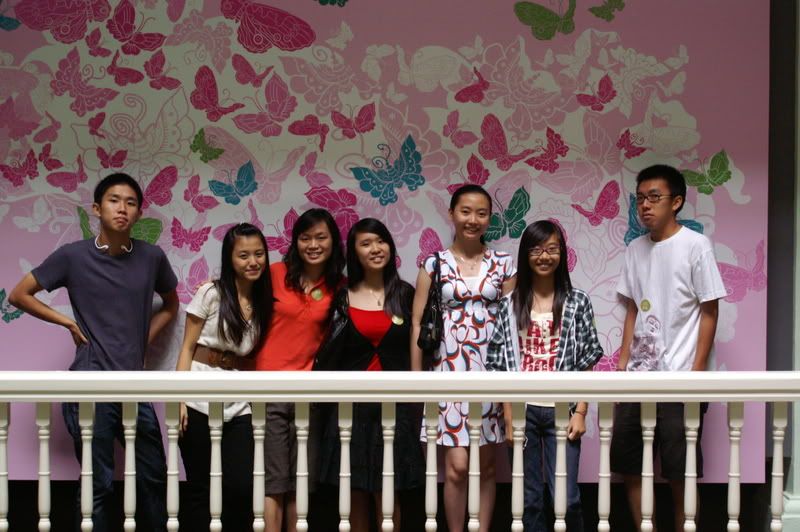
Peranankan Museum.
A picture paint a thousand words. :)
A day to...

We have everything here...
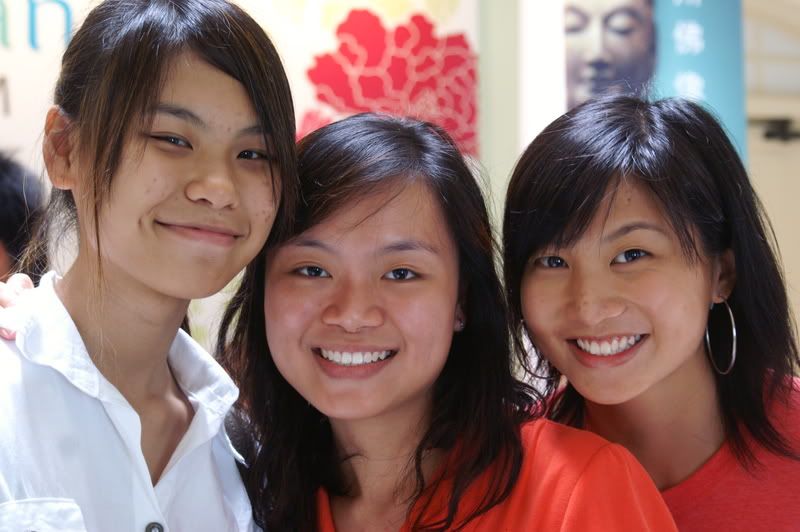
Pretty smiles. :)
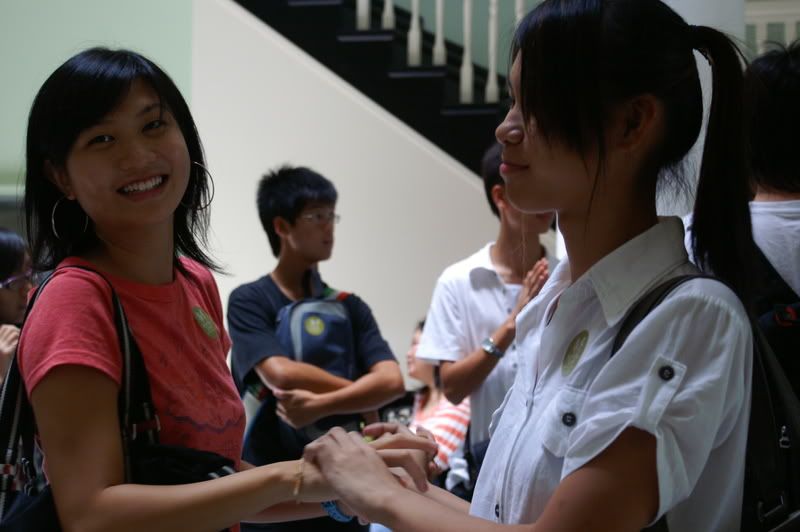
The sweet candid shot.
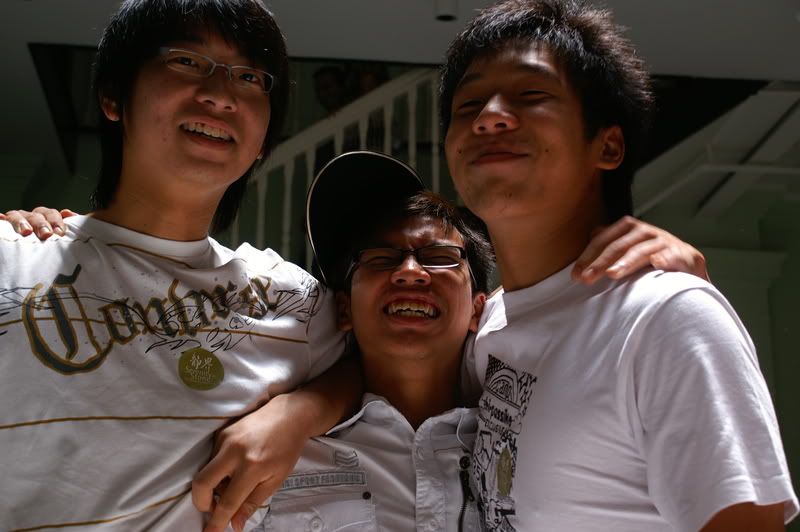
The bullying between the tall one...
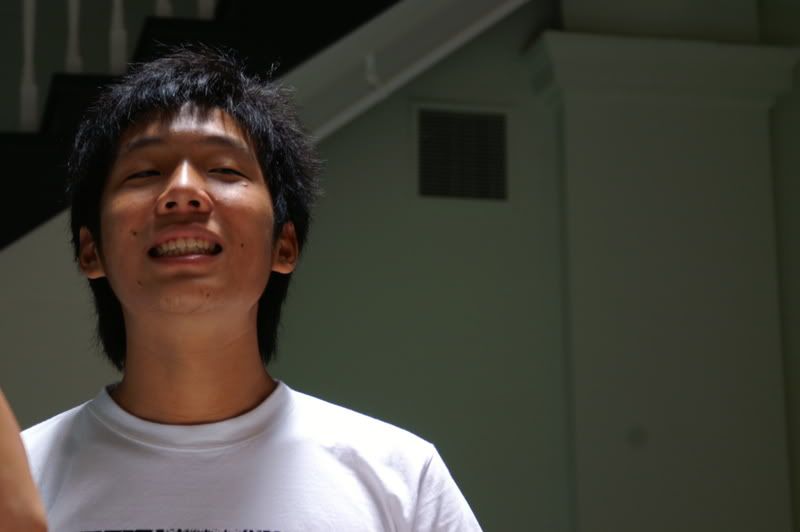
The grin.
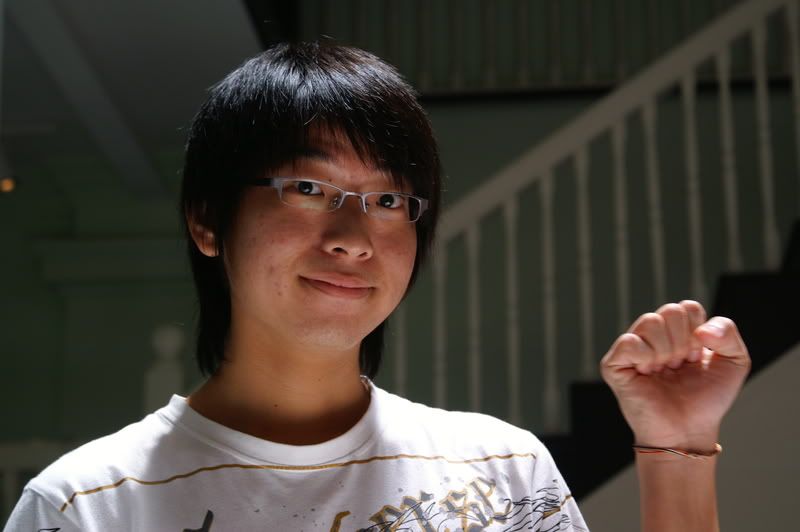
The sweet smile.
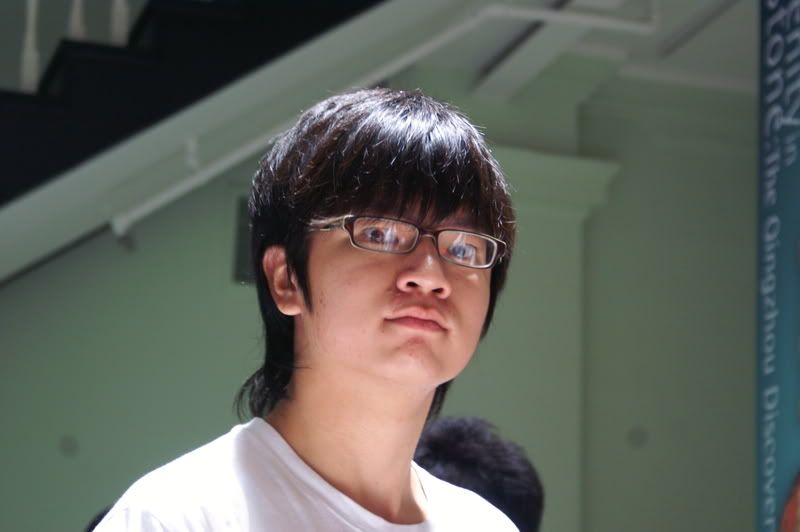
The bu-shuang (不爽) face.
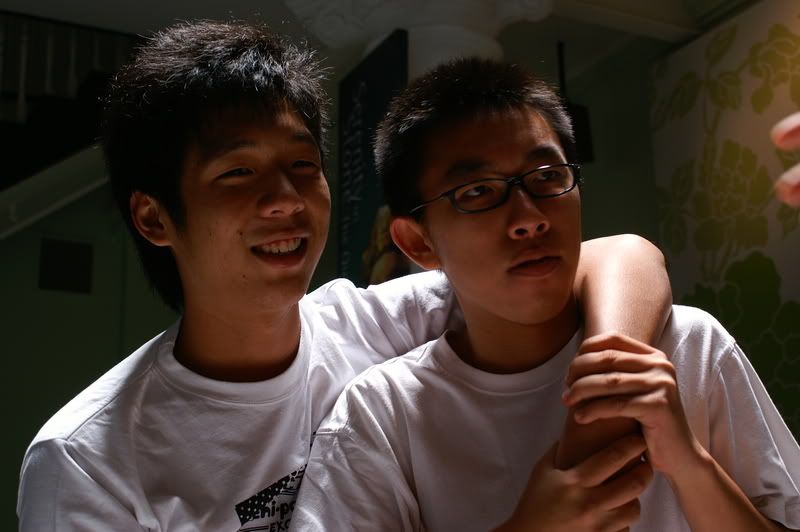
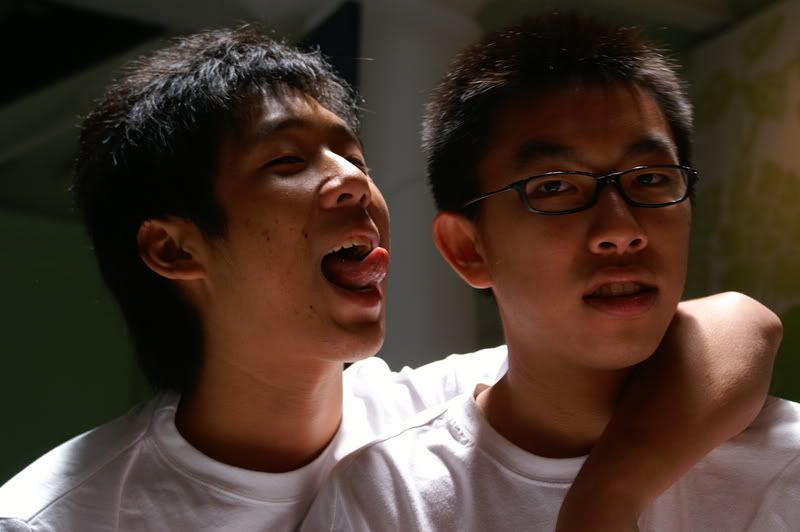
The brotherly love.
The disgusting Hangqi.
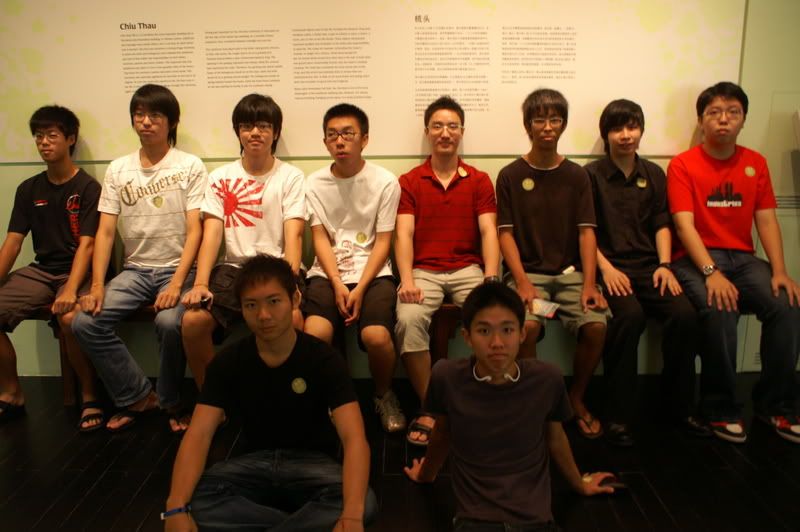
The blur blur Ernest.
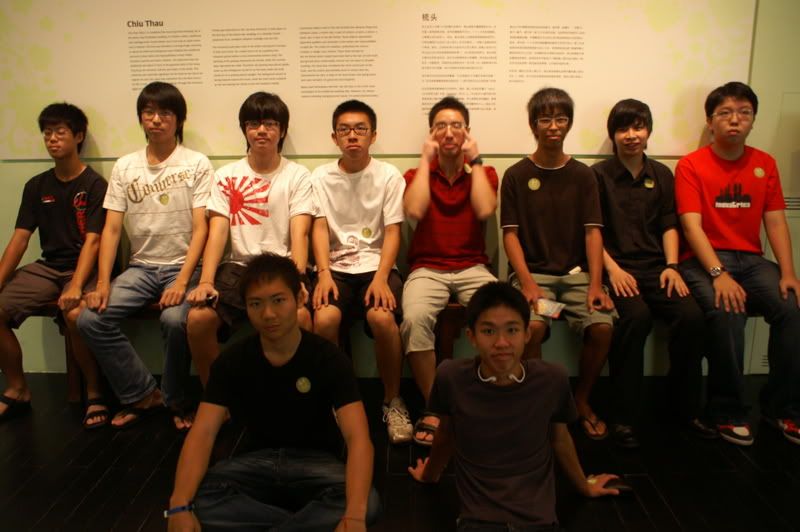
The act cute Zhenglin.
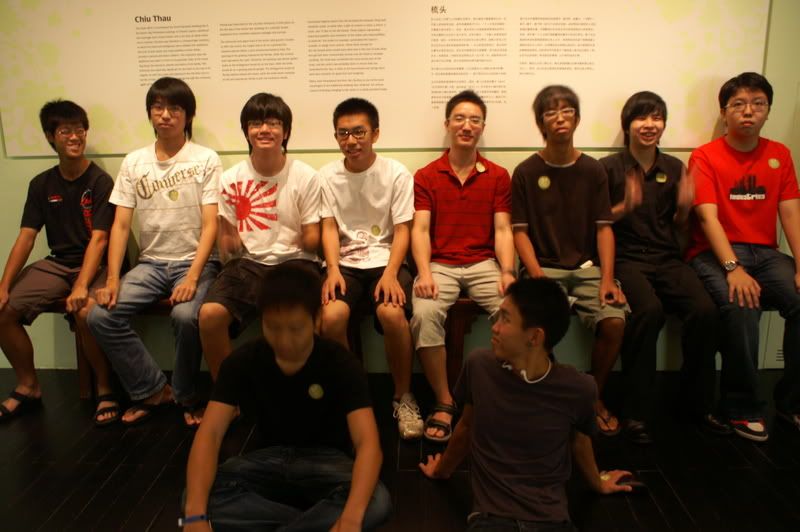
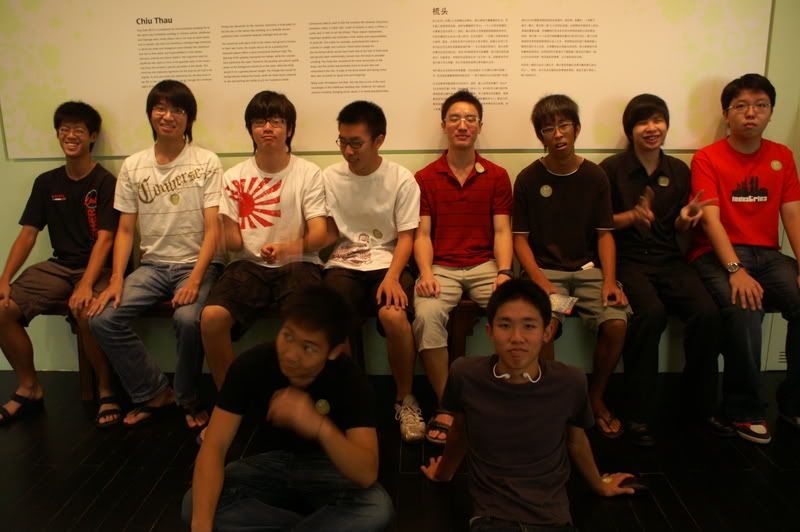
The super happy Raymond.
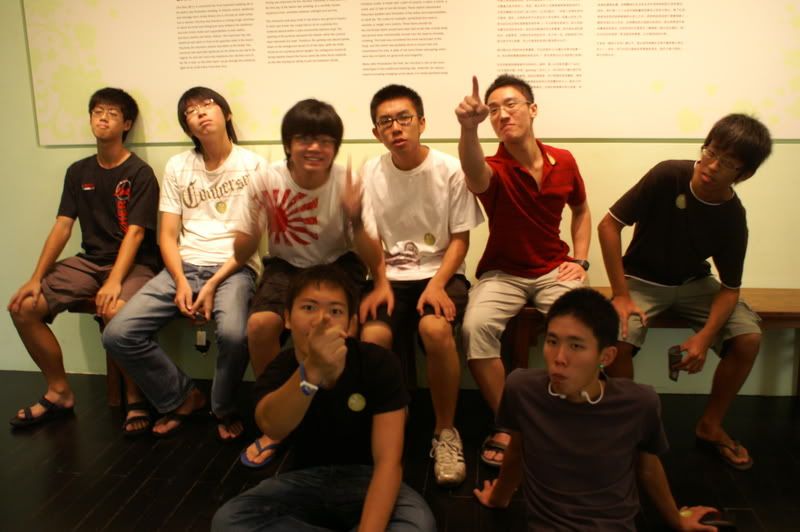
All the random looks.
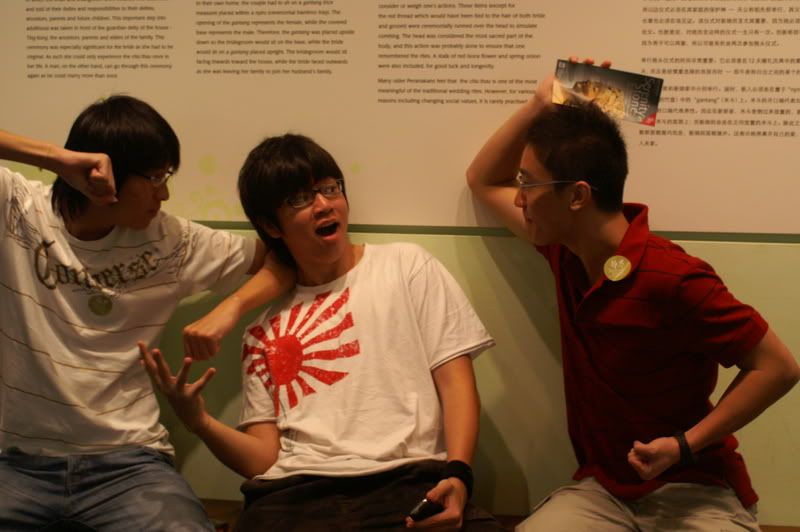
The bullying of Forester.
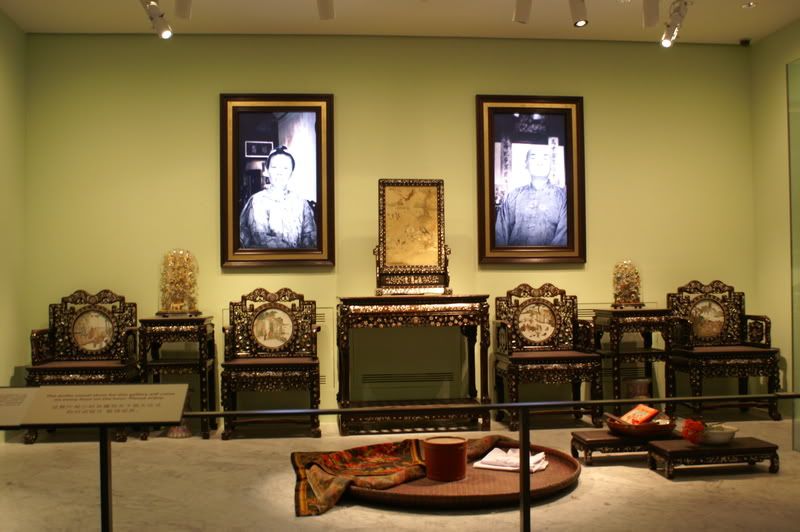
One of the exibit from the Peranakan.
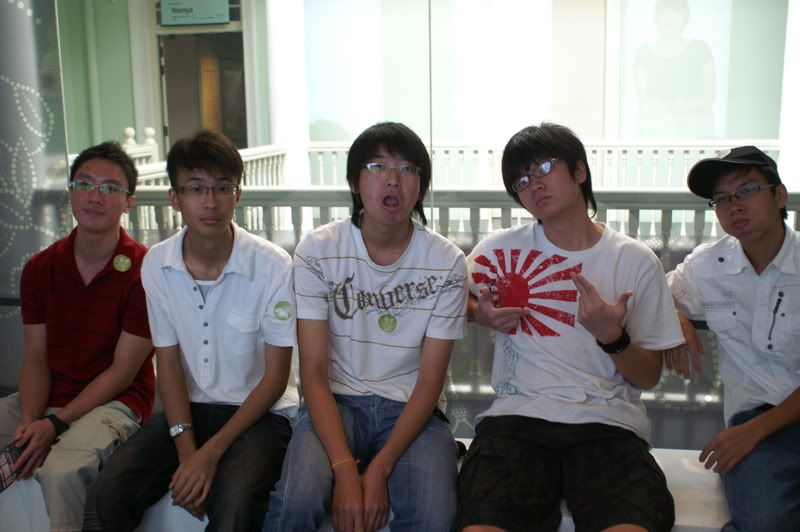
Look at the expression of KAIWEN!
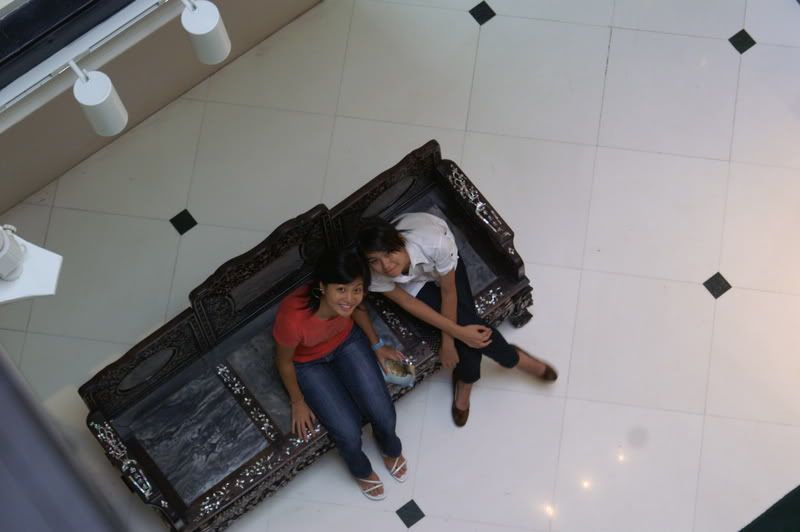
The sweet girls. :)
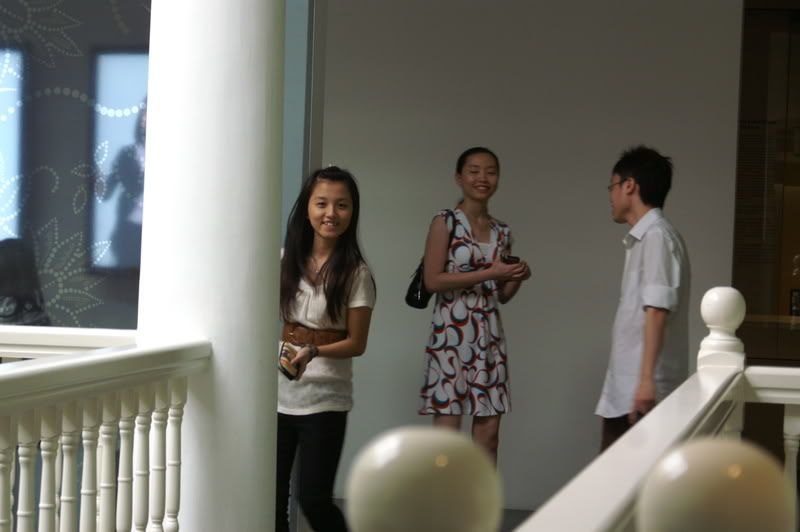
The secret snap. =/
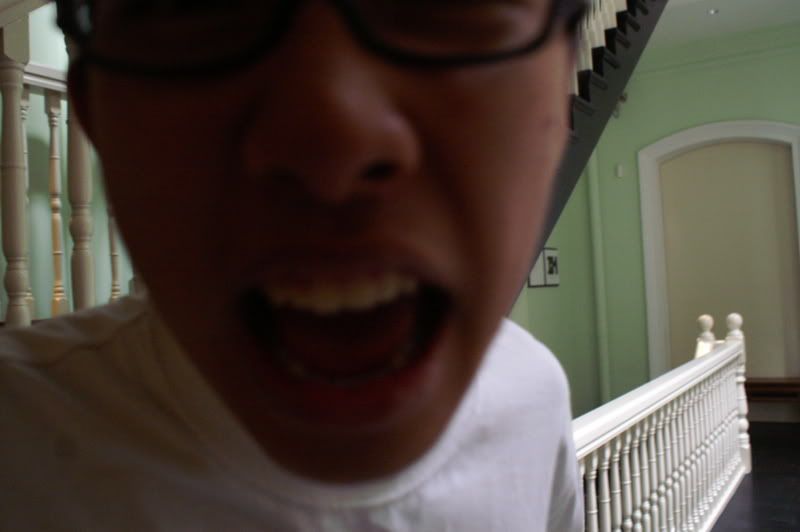
Guess who?
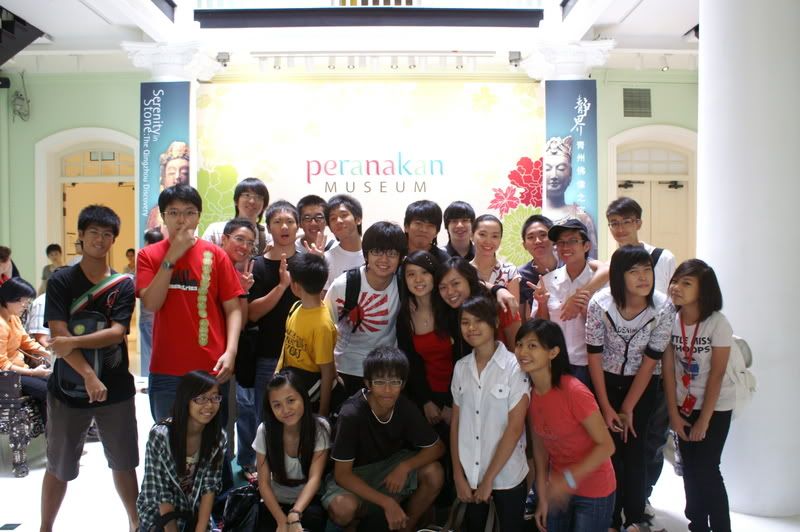
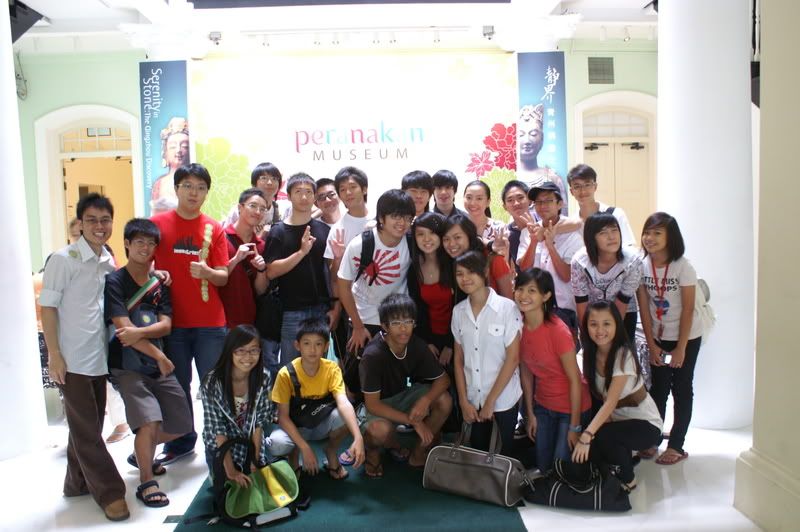
SBMYOUTH ! :D
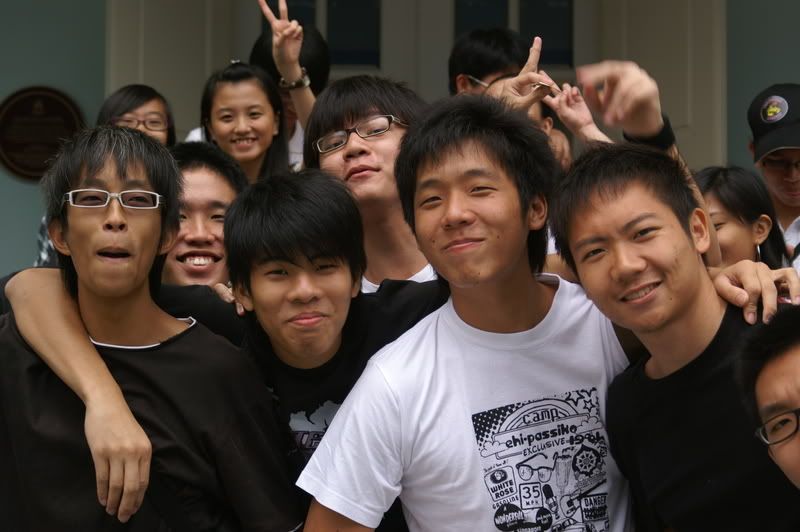
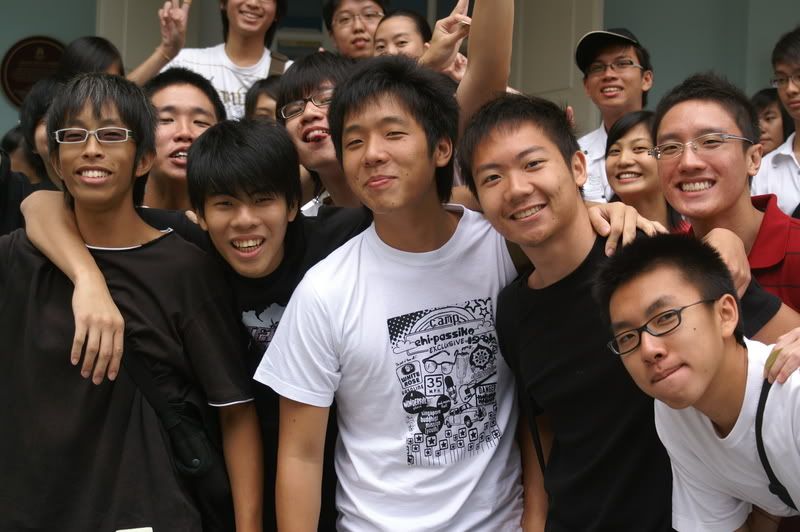
Squeeze~ :)
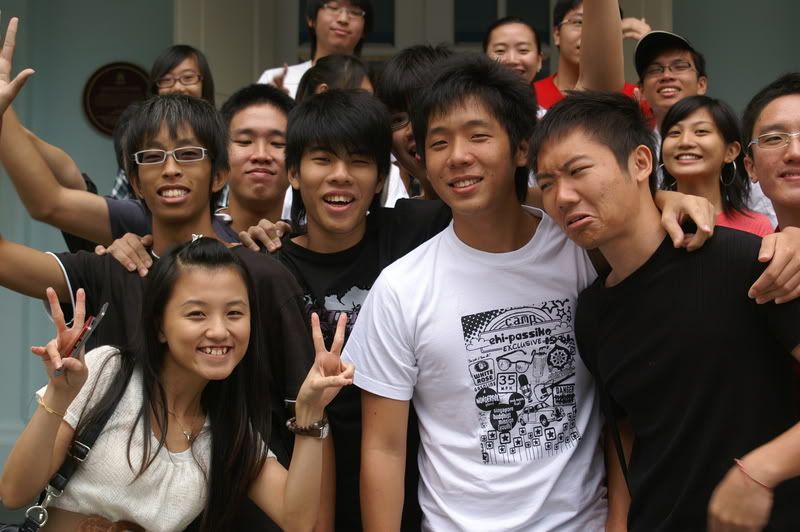

Pearly don't seem to be welcome by the two guys. =/
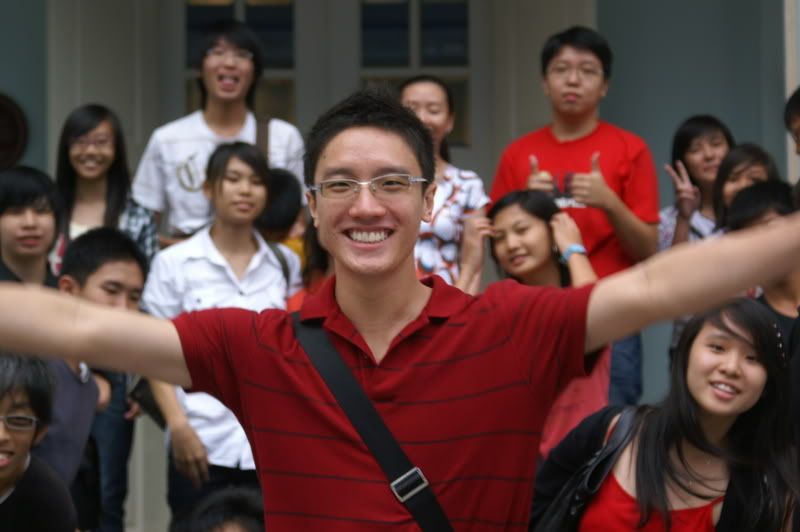
The happy Zhenglin!
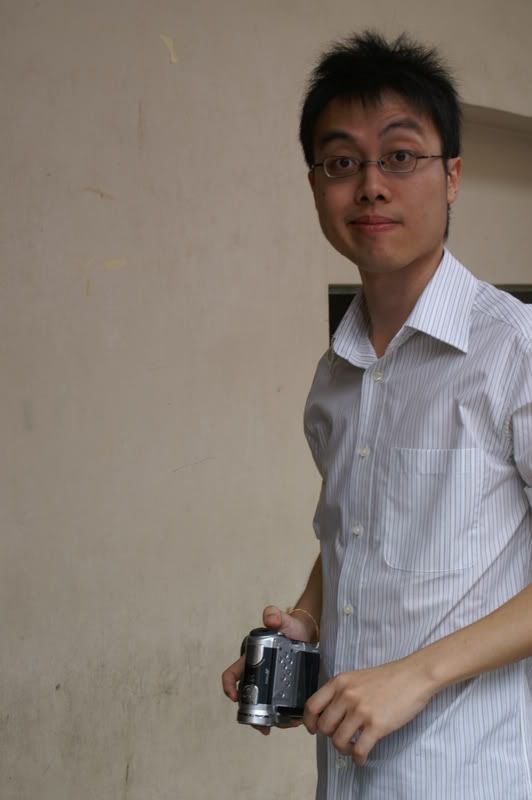
The act innocent Zeming.
We left with smiles. :)


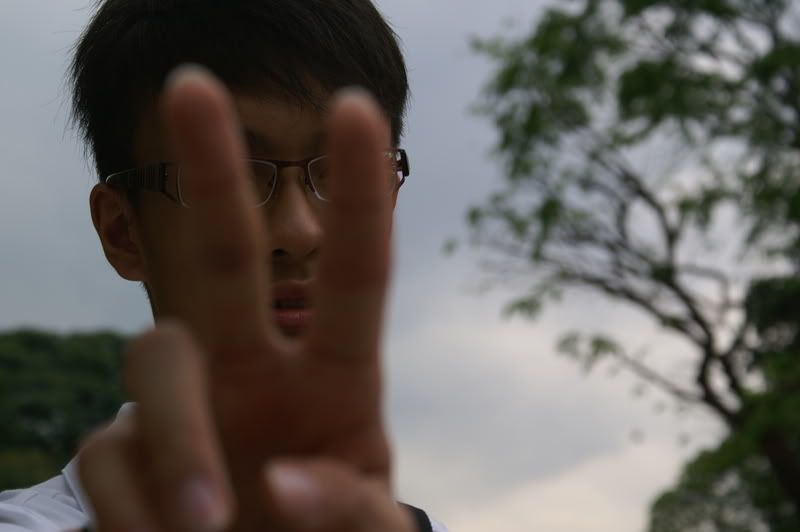
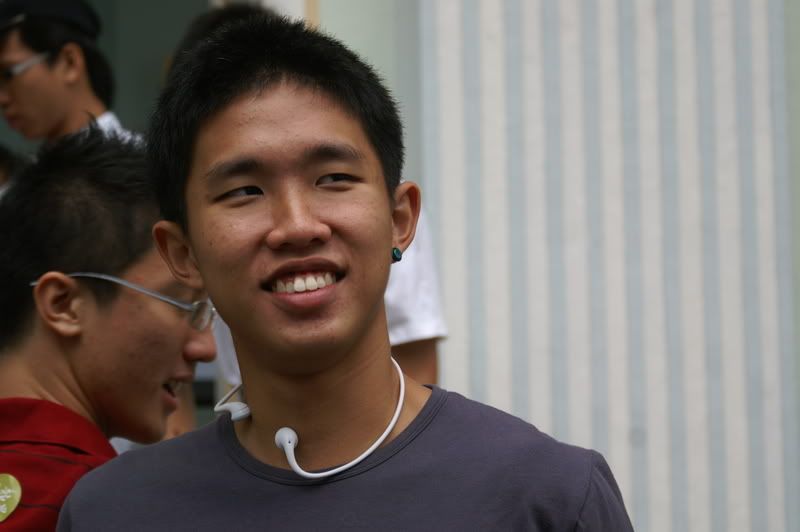
P.S: Sadly, we weren't allow to take the buddha statues. :(
BUT, we still had a great day after all. :D
SBM YOUTH, *clap* Yeah~
Hwanling. :)
A day to...
We have everything here...
Pretty smiles. :)
The sweet candid shot.
The bullying between the tall one...
The grin.
The sweet smile.
The bu-shuang (不爽) face.
The brotherly love.
The disgusting Hangqi.
The blur blur Ernest.
The act cute Zhenglin.
The super happy Raymond.
All the random looks.
The bullying of Forester.
One of the exibit from the Peranakan.
Look at the expression of KAIWEN!
The sweet girls. :)
The secret snap. =/
Guess who?
SBMYOUTH ! :D
Squeeze~ :)
Pearly don't seem to be welcome by the two guys. =/
The happy Zhenglin!
The act innocent Zeming.
We left with smiles. :)
P.S: Sadly, we weren't allow to take the buddha statues. :(
BUT, we still had a great day after all. :D
SBM YOUTH, *clap* Yeah~
Hwanling. :)
Subscribe to:
Posts (Atom)